Construction Careers: More Paths, More Opportunities
Oct 21, 2026The construction industry has a workforce challenge. But solving it isn't just about finding more workers. It's about creating opportunities for people to enter the industry, develop valuable skills, and build careers that last.
Construction offers something many industries cannot: multiple pathways to get started, opportunities to advance without following a traditional four-year college route, and the satisfaction of creating something tangible.
Yet despite these advantages, the industry continues to struggle with attracting and retaining skilled professionals.
The solution requires looking at the entire career journey, from introducing students to construction opportunities to developing the leaders who will shape the industry's future.
The Construction Labor Shortage: A Long-Term Challenge
The construction industry's labor shortage is not a new problem. For years, contractors and project owners have faced challenges finding enough qualified workers to meet project demands.
An aging workforce, retirements, changing career preferences, and gaps in technical training have contributed to the problem.
The consequences extend beyond staffing. Labor shortages can affect project schedules, increase costs, limit productivity, and make it more difficult to deliver projects successfully.
In a Management Under Construction episode focused on the craft labor shortage, Dee Davis and Brad Wyant explore why these challenges persist and what the industry must do differently.
One important takeaway: Construction needs to change how it communicates the long-term value of a career in the industry.
🎧 Listen: Craft Labor Shortage
More Than One Way to Enter the Construction Industry
One of construction's greatest strengths is the variety of ways people can begin their careers.
Not everyone needs to follow the same educational or professional path.
Apprenticeships and Skilled Trades
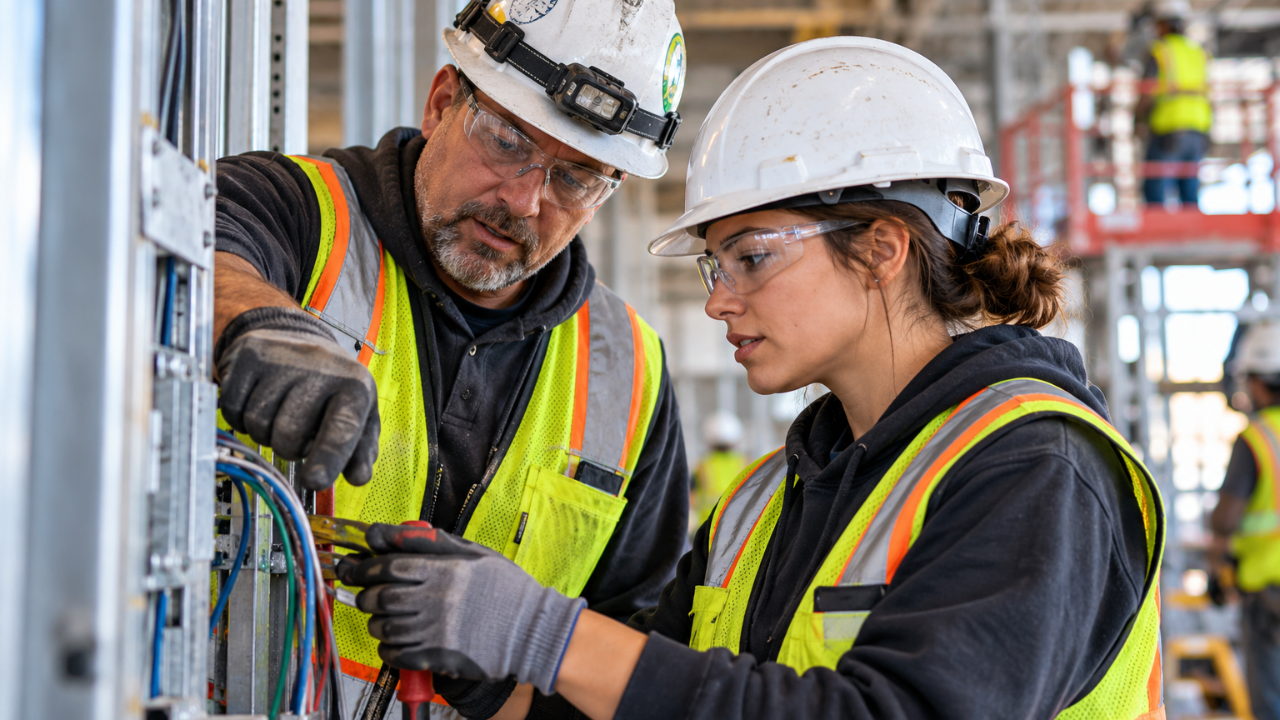
For people who enjoy hands-on work, apprenticeships offer opportunities to earn while learning a trade. Electricians, plumbers, pipefitters, carpenters, welders, and HVAC technicians are essential to nearly every construction project.
These careers can lead to advanced technical specialties, supervisory positions, or business ownership.
Career and Technical Education
High school career and technical education (CTE) programs help students explore industries before making decisions about college or employment.
These programs can connect classroom learning with practical experience, introducing students to construction careers they may never have considered.
Community Colleges and Technical Schools
Certificate programs and associate degrees can provide training in construction technology, drafting, building systems, safety, and other specialized fields.
Four-Year Degrees and Professional Careers
Construction management, engineering, architecture, and related degree programs provide additional entry points.
But the opportunities don't stop there. Construction companies also need professionals in estimating, scheduling, procurement, accounting, human resources, project controls, and business development.
Career Changes and Transferable Skills
Construction isn't exclusively for people beginning their working lives.
Professionals from manufacturing, logistics, technology, finance, and other industries may already possess valuable skills that transfer into construction roles.
The message is simple: There isn't just one way into construction, and there isn't just one definition of a successful construction career.
Introducing Students to Opportunities They Can Actually See
Young people cannot pursue careers they don't know exist.
That's why early exposure to construction careers is so important.
Programs that connect students with employers, jobsites, and industry professionals can help bridge the gap between education and employment.
EPIC Campus in Colorado offers an example of how education and industry partnerships can work together to prepare students for their futures.
Through career exploration, practical learning, and professional expectations, students gain exposure to real-world career possibilities.
In two Management Under Construction conversations, Dee Davis speaks with Mark Finer and Beth Best about the importance of helping students develop technical knowledge, workplace readiness, and professional relationships.
The lessons extend well beyond the classroom.
Students benefit from understanding workplace expectations, learning how to communicate professionally, and building connections with people already working in their chosen industries.
For construction employers, participating in these programs is more than community involvement. It's an investment in the future workforce.
🎧 Explore the Management Under Construction podcast for the two-part EPIC Campus conversation.
Construction Careers Don't Have to Stop at the Jobsite
One of the industry's most compelling advantages is the opportunity for career advancement.
A person who begins as an apprentice may eventually become a journeyman, foreman, superintendent, project manager, operations leader, or company owner.
Others may discover an interest in estimating, scheduling, safety, quality management, or specialized technical work.
There are opportunities to grow vertically into leadership or horizontally into entirely different areas of the industry.
Dee Davis has shared her own experience of beginning her career swinging a hammer and eventually becoming a business owner.
Her journey illustrates an important point: Your first construction job doesn't have to define your entire career.
But advancement doesn't happen automatically.
Employers must invest in mentorship, leadership development, and continuing education to help employees move successfully into new responsibilities.
Promoting an excellent craft professional into a supervisory position without providing leadership training can create challenges for both the individual and the organization.
Developing people is just as important as developing projects.
Retention: The Other Half of the Labor Shortage
Recruiting new workers is essential. Keeping them is equally important.
The industry cannot solve its workforce challenges if talented people continue leaving because of poor working conditions, limited advancement opportunities, or ineffective leadership.
Construction can be demanding. Long hours, project deadlines, travel, physical challenges, and high-pressure environments are realities of many roles.
While those challenges cannot always be eliminated, organizations can improve how they support their employees.
Creating sustainable careers requires attention to:
- Workplace safety: Protecting employees must remain a fundamental priority.
- Leadership and communication: Respectful, accountable leadership contributes to healthier teams.
- Professional development: Employees need opportunities to learn, advance, and take on new challenges.
- Work-life balance: Thoughtful scheduling and realistic expectations can help reduce burnout.
- Recognition and inclusion: People are more likely to stay where their contributions are valued.
In another Management Under Construction conversation, Dee Davis speaks with Angela Hucker about construction culture, workforce retention, leadership accountability, and the importance of creating workplaces that attract and support talented people.
Their discussion reinforces a critical point: Workforce shortages and workplace culture are closely connected.
🎧 Listen: Building a Better Construction Industry
Why Workforce Development Matters to Project Owners
For project owners, the construction labor shortage isn't simply a contractor staffing issue.
It can directly affect project delivery.
When qualified labor is difficult to secure, projects may experience scheduling challenges, increased competition for skilled trades, higher labor costs, and disruptions to critical activities.
Workforce availability should be considered during project planning, procurement, and risk management—not only after construction begins.
An experienced owner's representative can help owners identify labor-related risks early, evaluate contractor staffing strategies, coordinate project schedules, and maintain visibility into issues that could affect delivery.
At DCMG, we recognize that successful construction projects depend on more than drawings, budgets, and schedules. They depend on the people responsible for executing the work.
Building the Next Generation of Construction Professionals
Addressing the construction labor shortage will require a long-term commitment from the entire industry.
Schools need industry partners willing to introduce students to career opportunities.
Employers need to provide meaningful entry points, competitive opportunities, mentorship, and professional development.
Industry leaders need to challenge outdated perceptions of construction careers and demonstrate the value of skilled trades and technical professions.
And organizations must build workplace cultures where people want to stay, grow, and contribute.
The future of construction depends not only on bringing new people into the industry, but on giving them reasons to build their futures within it.
That is how we develop a stronger workforce, more capable leaders, and a more sustainable construction industry.
Continue the Conversation
Management Under Construction, hosted by Dee Davis, explores the people, challenges, and ideas shaping the construction industry and beyond.
From workforce development and career opportunities to leadership, communication, and workplace culture, the podcast features conversations designed to inform, challenge, and inspire.
Feeling that thirst for more technical education and coaching? We've got you. Visit our website now.
Join our free members list
Join our mailing list to receive the latest updates on courses, coaching and blogs.
Don't forget to allow yspe.co to your approved senders and check your folders just in case!
We hate SPAM. We will never sell your information, for any reason.